October 26, 2026
Vehicle performance problems can develop gradually or appear unexpectedly, affecting everything from acceleration and fuel efficiency to engine responsiveness and drivability. Drivers may notice unusual noises, rough idling, reduced power, or warning lights without understanding what is causing the issue. Professional diagnostics help identify the underlying problem instead of relying on guesswork or replacing parts unnecessarily. An experienced auto tuning specialist can evaluate engine performance, inspect related systems, and use diagnostic equipment to determine which components may need attention. Modern vehicles rely on interconnected mechanical and electronic systems, making a systematic approach essential for accurate troubleshooting. Whether a vehicle has a modified engine or retains its original factory configuration, proper testing can help technicians understand how its systems are performing.
Identifying Early Signs of Performance Problems
Recognizing changes in vehicle behavior is often the first step toward identifying a performance issue. Drivers may notice hesitation during acceleration, inconsistent engine speeds, rough idling, or difficulty starting the vehicle. These symptoms can have several possible causes, so an accurate diagnosis requires more than observing the problem once. An auto tuning professional will typically ask about when the symptoms occur, how long they have been present, and whether any recent maintenance or modifications could be relevant. This information helps narrow down possible causes before more detailed testing begins. For example, hesitation during acceleration may relate to fuel delivery, ignition performance, airflow, or electronic controls. Unusual vibrations may indicate a separate mechanical concern that requires investigation. Recording symptoms and describing them clearly gives technicians useful information for their assessment.
Using Diagnostic Tools to Read Vehicle Data
Modern vehicles contain electronic control modules that monitor numerous operating conditions and store diagnostic trouble codes when certain problems are detected. Technicians use compatible scan tools to retrieve these codes and examine relevant information from the vehicle's onboard systems. During an auto tuning assessment, this data can help identify concerns involving sensors, emissions controls, engine management, and other electronically monitored components. However, a trouble code does not automatically identify a failed part. Instead, it provides a starting point for additional testing and interpretation. A technician may compare live sensor readings with expected operating ranges to determine whether a system is functioning correctly. Freeze-frame data, when available, can also reveal the conditions under which a fault occurred. Combining electronic information with physical inspections helps prevent unnecessary parts replacement. Proper interpretation of diagnostic results is essential because several different issues can produce similar warning codes.
Evaluating Air Intake and Fuel Delivery Systems
An engine needs the correct combination of air and fuel to operate efficiently and produce consistent power. Restrictions in the air intake, vacuum leaks, clogged filters, or fuel delivery problems can interfere with that balance. An auto tuning technician may inspect intake components, examine fuel system data, and test relevant sensors to determine whether airflow or fuel supply is contributing to poor performance. Depending on the symptoms, additional checks may involve fuel pressure, injector operation, or intake leaks. Incorrect air and fuel measurements can lead to hesitation, unstable idling, reduced acceleration, or increased fuel consumption. Modified engines may require particular attention because changes to airflow and engine components can affect calibration requirements. Technicians must also distinguish between a genuine mechanical restriction and an inaccurate sensor reading. Identifying the actual cause allows the appropriate repair or adjustment to be recommended. Properly functioning intake and fuel systems support reliable performance across different driving conditions.
Inspecting Ignition Components and Engine Operation
The ignition system plays a critical role in gasoline engines by creating the spark needed to ignite the air-fuel mixture. Worn spark plugs, failing ignition coils, damaged wiring, or other component problems can contribute to misfires and uneven engine operation. During auto tuning diagnostics, technicians may inspect ignition components and review misfire data to determine whether combustion problems are occurring. Depending on the vehicle, further testing may help identify whether a fault originates in the ignition system or another engine component. Misfires can also result from fuel delivery problems, air leaks, or mechanical issues, so replacing spark plugs without investigating the cause may not resolve the symptoms. Compression testing or leak-down testing may be appropriate when internal engine condition is a concern. These procedures help assess whether cylinders are sealing and operating as expected. A complete evaluation can identify the difference between a straightforward maintenance issue and a more serious mechanical problem.
Examining Exhaust Flow and Emissions Systems
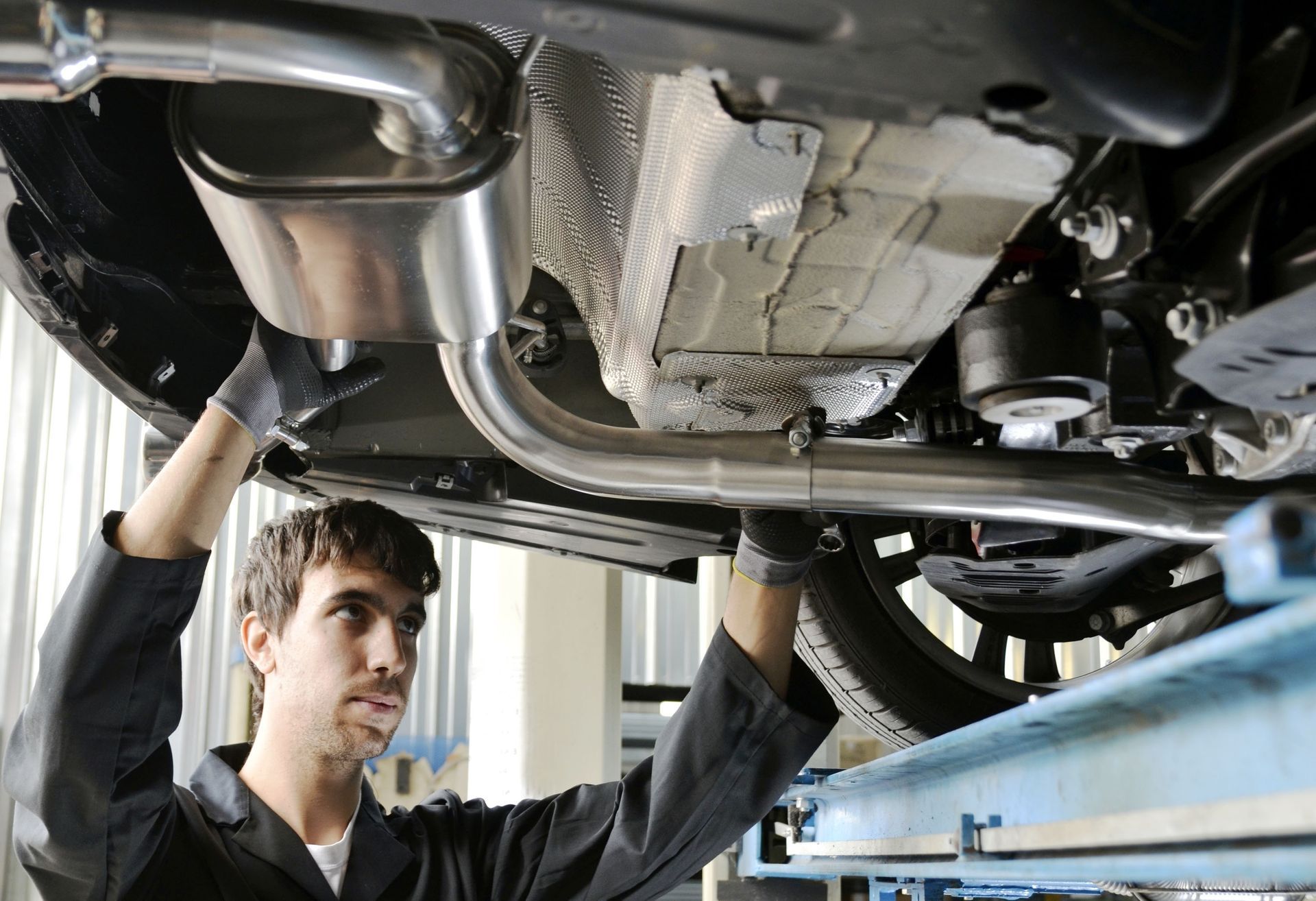
The exhaust system helps direct combustion gases away from the engine while supporting emissions control and normal vehicle operation. Problems such as exhaust leaks, damaged sensors, or restricted exhaust components may affect engine performance. An auto tuning specialist can inspect visible exhaust components and use diagnostic information to investigate possible restrictions or emissions-related faults. Oxygen sensors and other monitoring devices provide information that helps the engine control module adjust operating parameters. If these sensors provide inaccurate readings, fuel control may be affected. However, a warning light does not necessarily mean the sensor itself has failed because wiring problems or other engine faults can produce similar symptoms. Technicians should verify the cause before recommending component replacement. Emissions systems must also be maintained in accordance with applicable regulations, including requirements governing modified vehicles.
Assessing Engine Calibration and Computer Settings
Engine calibration determines how the vehicle's control system manages important operating parameters, including fuel delivery, ignition timing, and electronic throttle behavior. Factory calibrations are designed around the original engine configuration and the manufacturer's operating requirements. When components are modified, the engine may require additional evaluation to determine whether its existing calibration remains appropriate. A professional auto tuning process may involve reviewing software settings, monitoring engine data, and verifying that the vehicle operates within suitable limits. Technicians must understand how changes to one parameter can influence other systems. Incorrect calibration can contribute to poor drivability, excessive temperatures, detonation, or component damage. Before making adjustments, a technician should confirm that mechanical systems are functioning properly because software changes cannot correct every underlying fault. Any modifications should account for the vehicle's hardware, fuel requirements, and intended use. Careful calibration supports balanced performance rather than simply maximizing a single measurement.
Testing Vehicle Performance Under Controlled Conditions
Once preliminary inspections and diagnostic checks are complete, technicians may need additional testing to confirm their findings. Depending on the issue, this can include road testing, monitoring live data, measuring engine output, or using specialized equipment. An auto tuning shop may use a dynamometer when suitable to measure power and torque under controlled operating conditions. These measurements can help establish a baseline and evaluate whether a modification produces the intended result. However, dynamometer readings depend on equipment, testing conditions, vehicle configuration, and measurement methods, so comparisons should be interpreted carefully. Road testing may also help reproduce symptoms that do not appear while the vehicle is stationary. Technicians should follow appropriate safety procedures and manufacturer recommendations when conducting tests. Comparing results before and after a repair can provide useful evidence of improvement. Testing helps verify that the proposed solution addresses the original concern instead of merely clearing a warning code.
Considering the Growing Automotive Repair Industry
Vehicle diagnostics require a combination of technical knowledge, specialized equipment, and experience with different automotive systems. As vehicles incorporate increasingly sophisticated electronics and engine management technologies, repair professionals must continue developing their diagnostic skills. According to Gitnux, more than 165,000 auto repair shops operate across the United States, illustrating the size of the automotive repair sector. Within this competitive industry, accurate troubleshooting can help distinguish a professional service experience from one that relies on assumptions. Vehicle owners benefit when technicians explain their findings and clarify why a particular repair or adjustment is recommended. Transparent communication also helps customers understand the difference between necessary repairs and optional performance upgrades.
For drivers considering auto tuning, professional assessment is especially important when modifications could affect engine operation or reliability. Correcting underlying problems before making performance changes can help prevent avoidable complications. Minnesota Performance understands the importance of evaluating vehicle systems carefully and selecting solutions suited to each vehicle's needs. Whether you are addressing a drivability concern or exploring performance improvements, a thorough assessment can help clarify the available options. Contact Minnesota Performance to discuss your vehicle's performance concerns and learn how professional diagnostics and tuning services can help you work toward your driving goals.