October 2, 2026
For automobile enthusiasts and everyday drivers alike, getting the absolute best out of a vehicle is a common pursuit. While modern vehicles come off the factory floor configured to meet a broad set of demands, they rarely operate at their full potential. Factory settings are designed as a compromise, prioritizing fuel economy across varied climates, accommodating low-grade fuels, and adhering to strict emission regulations in dozens of different regions. This general approach leaves a significant amount of latent power, efficiency, and responsiveness sitting unused. Unlocking these hidden capabilities is precisely where auto tuning comes into play, serving as a gateway to personalized automotive performance.
At its core, auto tuning refers to the deliberate process of modifying an engine and its management systems to optimize performance parameters. In decades past, this process involved manual adjustments to mechanical components like carburetors, ignition distributors, and mechanical valves. Mechanics spent hours using physical tools to fine-tune air and fuel mixtures. Today, the process relies far more heavily on sophisticated computer software and electronic diagnostic tools. By recalibrating how an engine breathes, ignites fuel, and manages exhaust, performance specialists can tailor a vehicle to meet specific driving goals, whether that means sharper throttle response, higher horsepower, or improved fuel economy.
Understanding how auto tuning alters engine dynamics requires a basic look at internal combustion. An engine relies on a precise balance of air, fuel, and spark. When these elements interact at the exact right microsecond, maximum energy is extracted from the fuel. Standard engine control units are programmed with conservative margins to ensure the car runs reliably even under poor maintenance conditions. Through careful modification of these factory parameters, technicians can eliminate those unnecessary safety cushions, allowing the powertrain to operate at peak mechanical efficiency without sacrificing overall structural integrity.
Exploring the Power of Engine Control Unit Remapping
The central brain of any modern vehicle is its electronic control unit, commonly referred to as the ECU. This onboard computer continuously processes data from various sensors placed throughout the vehicle, including air intake temperature, engine speed, oxygen levels in the exhaust, and throttle position. Based on this incoming data, the ECU determines how much fuel to inject and when to fire the spark plugs. Consequently, modern auto tuning relies heavily on ECU remapping, a software-based approach that overwrites the default factory instructions with performance-oriented parameters.
During a remapping procedure, a specialist connects specialized diagnostic software directly to the vehicle's onboard port. They modify key data maps that dictate boost pressure in turbocharged engines, ignition timing curves, and air-to-fuel ratios. By advancing the ignition timing slightly or adjusting the turbocharger boost pressure, the engine generates noticeably more torque and horsepower. This electronic adjustment is often the most cost-effective way to achieve immediate performance gains, as it requires no physical changes to the engine hardware itself.
The benefits of ECU remapping extend beyond raw power. Many drivers report smoother acceleration curves and the elimination of annoying flat spots in the power band where the engine previously felt sluggish. Furthermore, because the engine operates more efficiently when properly calibrated, casual driving can actually result in better distance per gallon of fuel. This dual advantage of increased power under heavy acceleration and improved efficiency during cruising makes computer recalibration a cornerstone of modern performance optimization.
Upgrading Hardware Components to Support Performance Gains
While software modifications yield impressive results on their own, physical hardware upgrades are often necessary to achieve maximum power safely. Airflow is the primary limiting factor for internal combustion engines. An engine is essentially a giant air pump; the more air it can draw in and expel, the more fuel it can burn, and the more power it can produce. Therefore, effective auto tuning frequently pairs digital remapping with strategic mechanical enhancements designed to maximize total airflow.
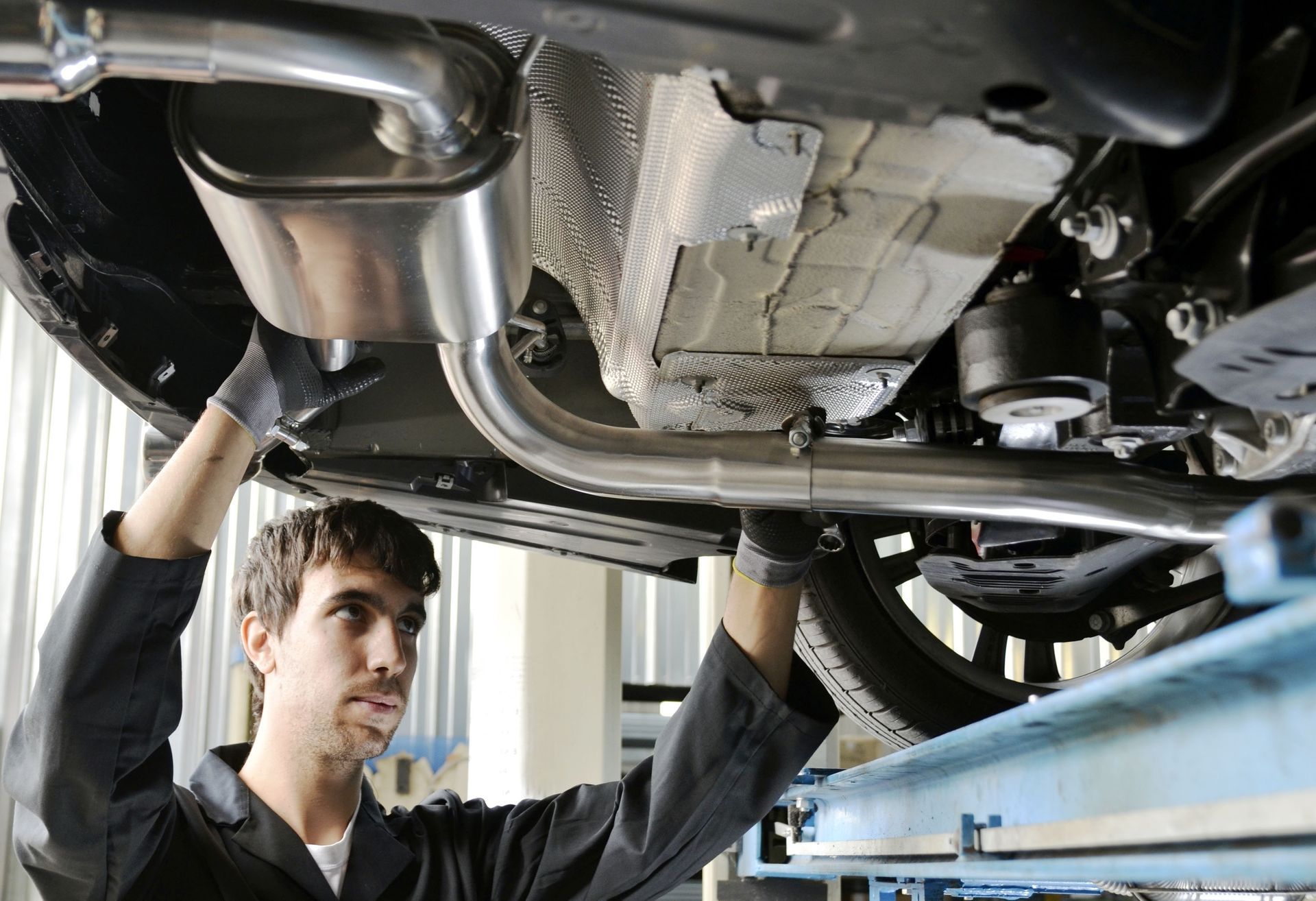
Upgrading to a high-flow cold air intake allows the engine to draw in cooler, denser air from outside the engine bay, which contains more oxygen per volume than warm air. On the exhaust side, installing high-flow exhaust manifolds, performance catalytic converters, and wider piping reduces backpressure, allowing spent gases to exit the cylinder chambers much faster. When combined with larger fuel injectors and upgraded fuel pumps, the engine receives the necessary volume of air and fuel required to support significantly higher power outputs without running dangerously lean.
Mechanical upgrades are not limited to the air and fuel pathways. Internal components such as camshafts, pistons, and connecting rods can also be swapped for forged alternatives capable of withstanding extreme cylinder pressures. Upgraded intercoolers are essential for forced-induction vehicles to keep intake temperatures low during prolonged hard driving. When high-performance hardware is installed, custom electronic adjustments must follow to ensure the computer recognizes and utilizes the increased flow capacities of the new physical parts.
Balancing Reliability and Maintenance in Modified Vehicles
A common concern regarding engine performance modifications is the potential impact on vehicle longevity. Operating an engine closer to its mechanical limits inherently increases stress on internal components, transmission systems, and cooling infrastructure. However, high-quality auto tuning prioritizes balance, ensuring that performance gains do not come at the expense of engine destruction. Professional tuners keep parameters within safe thermal and mechanical thresholds to maintain day-to-day reliability.
Regular maintenance becomes even more critical once a vehicle has been modified for higher output. According to Sharp Sheets, more than three out of four American drivers rely on auto repair services at least once annually. For owners of modified vehicles, routine visits to service centers are essential for keeping close tabs on engine health. High-performance engines demand strict adherence to maintenance schedules, including frequent oil changes using high-grade synthetic lubricants, timely spark plug replacements, and ongoing monitoring of fluid temperatures.
Neglecting basic maintenance on a high-output vehicle can lead to severe mechanical failures, such as engine knocking, premature ring wear, or blown head gaskets. Fortunately, modern diagnostic tools allow technicians to monitor live engine data during routine service visits. By analyzing fuel trims, knock sensor activity, and exhaust gas temperatures, service professionals can spot potential issues early, ensuring the vehicle remains both powerful and dependable over many thousands of miles.
Choosing Professional Expertise for Optimal Results
Given the complexity of modern automotive electronics and mechanical systems, achieving great results requires a high degree of technical expertise. While handheld programmers and pre-packaged software files are widely available to consumers, off-the-shelf solutions cannot account for individual vehicle wear, local fuel quality, or specific altitude conditions. Partnering with a dedicated specialist who utilizes a chassis dynamometer ensures that every modification is tailored precisely to the individual vehicle.
A dynamometer, or dyno, measures the precise horsepower and torque output at the wheels while the car is stationary. This setup allows technicians to run the engine through its entire rev range under controlled load conditions while monitoring real-time data. By observing air-to-fuel ratios and ignition stability at every speed, the tuner can make fine adjustments to the software map. This meticulous trial-and-error process optimizes power delivery safely across the entire operating range, rather than simply maximizing peak numbers at the top end.
Dynamic automotive optimization is both a science and an art form. When executed thoughtfully by skilled professionals,
auto tuning transforms an ordinary production vehicle into a highly responsive, custom-tailored machine. By combining intelligent software recalibration with high-quality hardware upgrades and diligent routine maintenance, drivers can experience the absolute peak of engine performance without sacrificing the practical reliability needed for everyday driving. To unlock your vehicle's true capability and elevate your driving experience today, contact the team at Minnesota Performance to schedule your professional tuning consultation.